

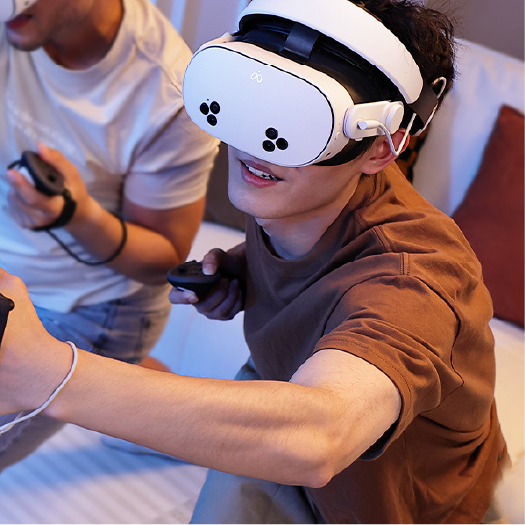

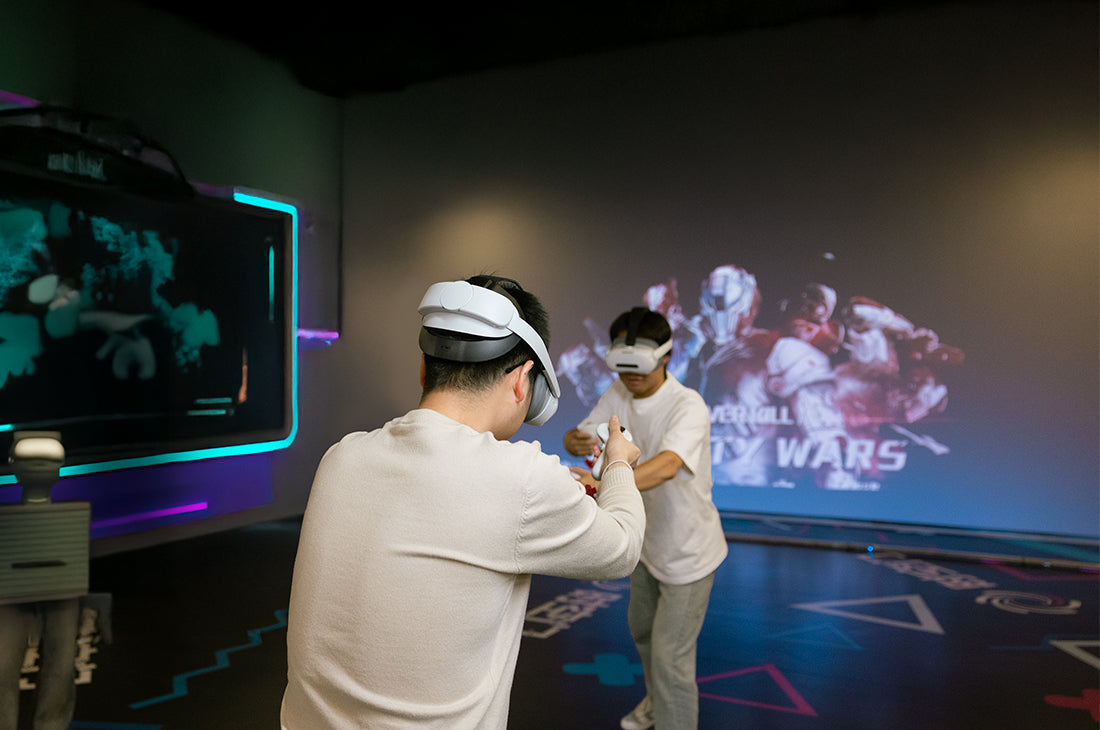
In enterprise VR deployments—from industrial training to clinical simulations—the primary performance metric is operational uptime. While the PICO 4 series provides a highly capable standalone platform, high-frequency user turnover and extended deployment cycles expose the limitations of stock hardware. Specifically, battery depletion and ergonomic fatigue limit continuous use. To address these constraints, the KIWI design modular ecosystem transitions fleet hardware from fragmented aftermarket accessories to an integrated, structural solution.
Addressing Operational Bottlenecks
Fleet managers typically face two friction points that reduce Asset Utilization Rates: the necessity of taking headsets offline to charge, and user discomfort that artificially caps session lengths. The hardware ecosystem designed for the PICO 4, PICO 4 Ultra, and PICO 4 Ultra Enterprise editions targets these specific variables.
- Deployment Efficiency: A tool-free mechanism standardizes fleet setup, reducing the time required for IT personnel to configure and maintain devices.
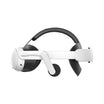
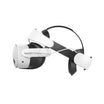
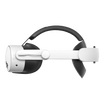
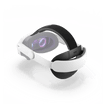
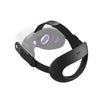
- Load Distribution: The T1 Comfort Head Strap utilizes a 2.16-inch widened top strap and dense TPU rear padding. This increases the surface area for load-bearing, effectively reducing localized facial pressure over long intervals.
- Component Safety: Power components operate under a 10+ layer circuit protection protocol, an essential specification for mitigating thermal and electrical risks in commercial environments.
Mechanical Integration: The T1 & P5000 System
Relying on velcro straps or universal mounting brackets for external batteries introduces mechanical instability and cable strain. The T1 Comfort Head Strap and P5000 Compact Power Bank operate as a unified system, utilizing dedicated docking geometry.
Precision-Molded Docking
Hardware configuration speed directly impacts labor costs in fleet management. The interlocking design between the strap and power bank removes setup ambiguity:
- Native Receptacles: The rear pad of the T1 is manufactured with rigid slots designed specifically to house the P5000 unit.
- Hot-Swappable Design: The battery snaps into place securely, allowing floor staff to execute battery swaps in seconds without tools.
- Static Cable Routing: Anchoring the power source directly into the frame stabilizes the cable path, significantly lowering the probability of snagging or port damage during active motion.
Kinematic Shift and Center of Mass:
A standard standalone HMD is front-heavy. Locking the 105g P5000 power bank into the rear structural slots shifts the headset's center of mass toward the user's cervical spine. This functional counterweight reduces the cantilever effect on the neck and relieves compression on the zygomatic and nasal bones, stabilizing the device during rapid rotation.
Power Management: Continuous Cycling via Positive Delta
Device downtime for charging is an unacceptable bottleneck in commercial operations. The P5000 system resolves this by establishing a "Positive Delta" charging state—meaning the power replenished to the system outpaces the power consumed by the HMD during active rendering.
Input vs. Draw Mechanics
The system is calibrated so that the P5000's output satisfies the PICO 4's maximum power draw while simultaneously charging the headset's internal battery:
- Internal Battery Preservation: By offloading the primary power draw to the P5000, the PICO 4's internal lithium-ion cells experience fewer charge cycles, mitigating long-term battery degradation.
- Capacity: The 5000mAh external cells add approximately 4.5 hours of continuous runtime per unit.
- Thermal Regulation: Sustained power transfer requires strict thermal limits. The onboard management system monitors temperature thresholds to prevent thermal throttling on both the battery and the headset.
The 2-Pack Continuous Workflow:
The system relies on a magnetic charging base paired with two P5000 units per headset. While Unit A is actively powering the HMD, Unit B is charging on the dock. Because the magnetic base charges the P5000 faster than the headset depletes it, organizations can cycle the batteries indefinitely, achieving near 100% hardware uptime.
Fleet TCO: Mitigating Hardware Attrition
The Total Cost of Ownership (TCO) for enterprise VR is heavily influenced by RMA (Return Merchandise Authorization) rates. Physical wear on mounting points and USB-C ports are the leading causes of headset failure in high-volume settings. The KIWI design ecosystem is engineered to absorb this mechanical stress.
Structural Preservation
Frequent adjustments and cable plug/unplug cycles degrade stock hardware. We engineered non-invasive workarounds for these failure points:
- Non-Destructive Audio Mounting: The A3 Headphones utilize a clamp mechanism that secures to the side straps without applying lateral stress to the main chassis, avoiding permanent modifications.
- Port Protection via Pass-Through: The A3 headphones feature a 2-in-1 design supporting pass-through charging. This means the power bank plugs into the headphones, which in turn plug into the headset. This isolates the headset's primary USB-C port from the daily mechanical wear of swapping charging cables.
Summary: Institutional Hardware Readiness
Scaling a VR pilot into a permanent operational tool requires hardware that tolerates institutional use. The combination of the T1 Comfort Head Strap, the P5000 Compact Power Bank, and the A3 Clip-on Headphones provides the necessary structural and electrical reinforcement for the PICO 4 and PICO 4 Ultra platforms.
Operational Outcomes
Implementation of this modular standard yields measurable data improvements in fleet management:
- Continuous Throughput: Hot-swappable power architecture removes charging downtime from operational schedules.
- Extended Session Tolerance: Correcting the HMD's center of mass delays the onset of physical fatigue, increasing practical session lengths.
- Decreased RMA Frequency: Protecting primary connection ports and utilizing integrated, tool-free mounts extends the lifecycle of the host hardware.
By addressing the physical and electrical limitations of standalone hardware, KIWI design provides the infrastructure required to utilize the PICO 4 as a reliable, continuous-use commercial tool.
Procurement and Fleet Integration
Contact our Enterprise Solutions team to request specifications, bulk deployment data, and B2B ordering for the PICO 4 Modular Ecosystem.
Contact B2B Sales


Laisser un commentaire
Tous les commentaires sont modérés avant d'être publiés.
Ce site est protégé par hCaptcha, et la Politique de confidentialité et les Conditions de service de hCaptcha s’appliquent.